
My Approach to Anxiety Counselling
Anxiety is a natural response that is designed to protect us. When it becomes louder or more constant than a situation calls for, it can start to shape our days, our relationships, and the choices we make. My aim isn’t to make anxiety disappear, but to help you understand it, so it has less say in how you live your life.
Anxiety can also be a response to what is happening in the wider world, such as climate change, racism, or gender inequality. These concerns are real, and much of what drives them is outside of our control. In our work together, there is space to acknowledge and validate these experiences, while also turning our attention toward what is within your control and what helps you feel grounded.
Together, we’ll get curious about when your anxiety shows up, what it feels like in your body and mind, and what tends to make it better or worse. From there, we’ll work on practical strategies you can use in the moment, while also exploring the patterns and experiences that may be keeping anxiety in place.
We’ll move at a pace that feels right for you. You don’t need to have the words for what you’re feeling before reaching out; working that out is part of what we can do together. Sessions are available in my Comox office, online, or outdoors as a walk-and-talk session, which some people find helps their body settle.
You might be looking for support if…
How we'll work together
Cognitive Behavioural Therapy (CBT)
Anxious thoughts can feel like facts. Cognitive Behavioural Therapy (CBT) helps us notice the thoughts and beliefs that fuel worry, understand how they affect what you feel and do, and practise new ways of responding. CBT is one of the most widely researched approaches for anxiety, and it offers practical tools you can use between sessions.
Internal Family Systems (IFS)
Internal Family Systems (IFS) invites us to get to know the anxious part of you rather than fight it. Often, that part is working very hard to keep you safe. By approaching it with curiosity and compassion, you can begin to understand what it needs and find a calmer, steadier way of responding.
Attachment Theory
Sometimes anxiety shows up most in our relationships: worrying about how others see us, dreading conflict, or feeling unsettled when someone pulls away. Attachment theory helps us understand how early experiences shape these patterns, so you can build a greater sense of security with yourself and others.
Emotion-Focused Therapy (EFT)
Anxiety often sits alongside other feelings that are harder to name. Emotion-Focused Therapy (EFT) helps you notice and make sense of what you’re feeling underneath the worry, and respond to yourself with more understanding and care.
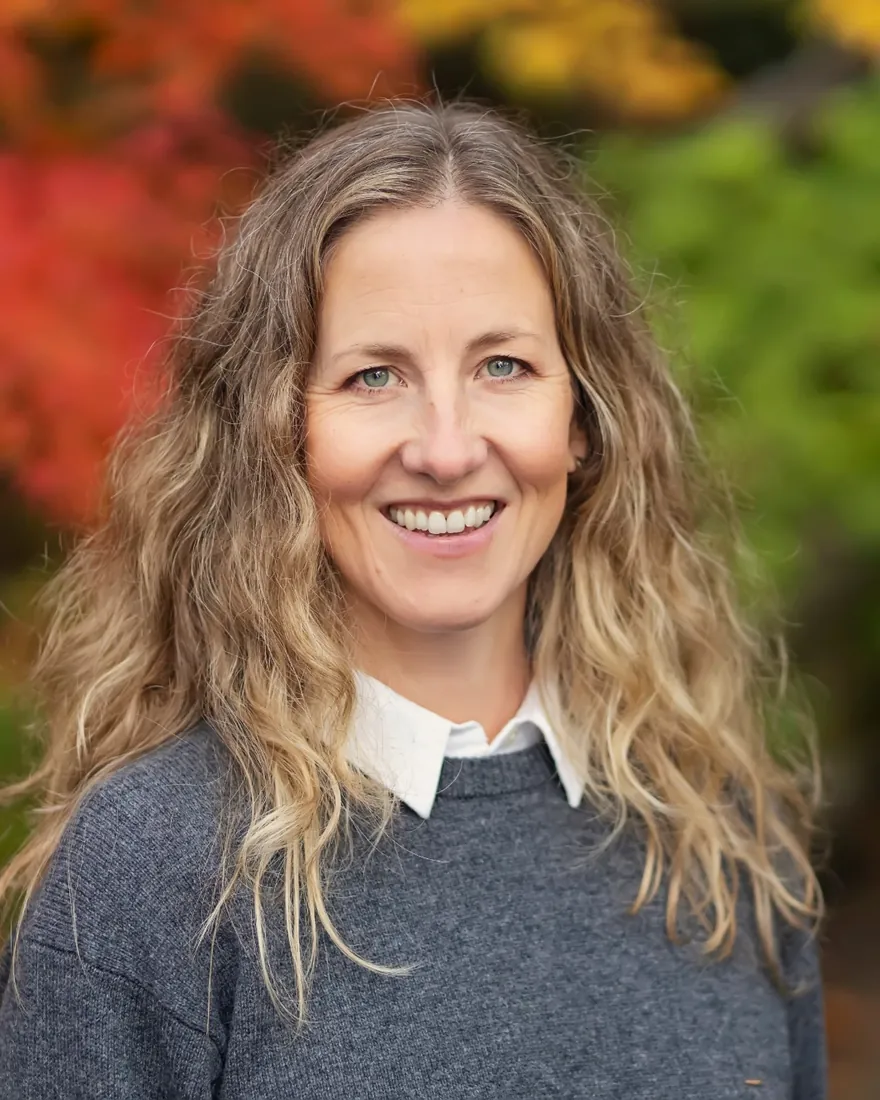
Gabrielle Durupt - MACP, CCC
A registered master's level Canadian Certified Counsellor
If you're looking for a counsellor who listens to understand, and supports your unique needs, I'm here to help. My compassionate, client-centred approach ensures you feel heard and understood. Together we will build a trusting partnership to help you navigate challenges and find meaningful solutions.
With years of experience working in Campbell River and here in the Comox Valley, I'm looking forward to supporting you in your mental health journey.
Please read more about my specific credentials and areas of focus.
What to expect
You are very welcome to book a complimentary phone call as a first step. It’s an opportunity for us to connect and talk about what you’re hoping for from counselling. I’d be happy to answer any questions you might have about therapy approaches, the booking process, my experience, or simply who I am as a person. My hope is that this gives you a chance to get a feel for whether working together might be a good fit.
During our first session, we’ll take some time to get a sense of how things are going for you from a broader perspective. I often begin with some general questions about your overall well-being, which can also help ease into the conversation when meeting someone new. I’m interested in learning about things like your relationship with sleep, food, and substances; the important people in your life; and the ways you currently navigate stress.
From there, we’ll turn our attention to what feels most important to you, including your hopes and priorities for therapy. Together, we can begin to explore what you’re looking for and develop a plan for moving forward at a pace that feels comfortable for you.